
Business
Feds raid businesses as part of apparent Medicaid fraud investigation
By Katherine Langford
Advertisement · Why this ad?
Katherine oversees editorial operations across all six brands. Before joining The Meridan Group, she spent 14 years at the Minneapolis Star Tribune, where she led the metro desk through its digital transformation. She holds a Master's in Journalism from Northwestern's Medill School.
More from Katherine →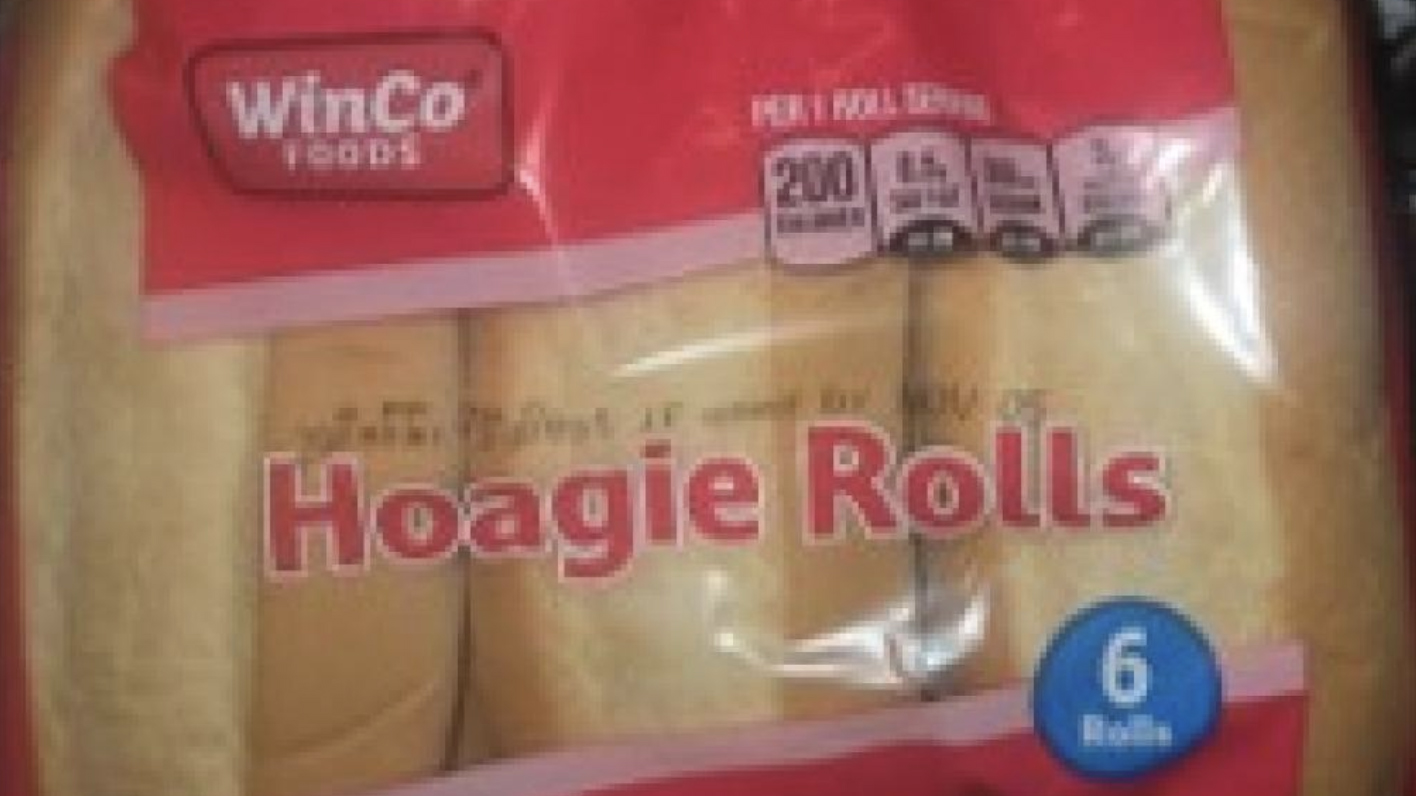
In a routine day at the grocery store, families expect to find their favorite hoagie rolls, a staple for weekend gatherings or quick weeknight meals. However, a recent recall has left many concerned about the safety of their meals, highlighting the critical importance of transparency in food labeling. WinCo Foods Brand Hoagie Rolls have been recalled from store shelves due to an undeclared sesame allergen, posing a significant and potentially life-threatening risk to consumers with allergies.
The product at the center of this concern, specifically WinCo Foods Brand Hoagie Rolls, was pulled from shelves after it was discovered to contain an undeclared sesame allergen. This oversight means that the product's packaging did not list sesame as an ingredient, despite its presence, creating a hazardous situation for those who must strictly avoid it.
This recall impacts consumers in multiple states across the nation, including California, Idaho, and Nevada, where the rolls were distributed. For individuals with sesame allergies, even trace amounts can trigger severe, life-threatening reactions, making accurate labeling not just a convenience, but a fundamental matter of public health and safety.
The U.S. Food and Drug Administration (FDA) plays a crucial role in overseeing food safety and ensuring that food labels are accurate and comprehensive. Their guidelines mandate that all major allergens be clearly declared to protect consumers. This incident underscores the continuous vigilance required from food producers to meet these essential standards.
Accurate food labeling is a foundational element of consumer safety, particularly concerning allergens. Sesame, now recognized as a major food allergen, can cause a range of reactions from mild hives to severe anaphylaxis, which can be fatal if not treated promptly. The absence of a declared allergen, such as sesame, necessitates a recall to prevent health complications for sensitive individuals and uphold public trust in food products.
Families who regularly purchase these hoagie rolls for weekend gatherings, school lunches, or family dinners rely implicitly on the information provided on food packaging. This trust is a cornerstone of our food system, allowing parents to confidently select products that are safe for every member of their household, especially those with dietary restrictions. When that trust is compromised, it sends ripples of concern through communities.
The emotional arc of this story captures the tension between consumer trust and the potential risks posed by food allergens. It serves as a stark reminder that behind every label is a promise of safety, a promise that food manufacturers must honor with unwavering commitment. For more information on food allergies and their management, resources like Food Allergy Research & Education (FARE) offer invaluable guidance.
In an era where the integrity of our food supply is paramount, the commitment of families to protect their loved ones shines through. Parents, often the first line of defense, meticulously scrutinize labels to ensure the well-being of children with dietary restrictions. This diligent effort is a testament to the enduring strength of family bonds and the shared responsibility we hold for one another's health.
The joy of sharing a meal together, a tradition central to many families, should never be overshadowed by fear of an undeclared ingredient. This incident reinforces the importance of home-cooked meals and the unity found around the dinner table, where families can control ingredients and ensure safety. Resources from the Centers for Disease Control and Prevention (CDC) provide further insights into managing food allergies safely.
While the WinCo Foods hoagie roll recall originated across multiple states, its implications resonate directly within Minneapolis. For our residents, this incident underscores the critical importance of food safety regulations and vigilant consumer awareness. Local grocery shoppers who trust stores for their everyday needs are reminded that food safety is a continuous, shared responsibility.
Consumers with sesame allergies are directly affected, facing potential adverse health reactions due to the undeclared allergen in the WinCo Foods Brand Hoagie Rolls. It is crucial for anyone who has purchased these rolls to check their pantries and dispose of the product immediately, or return it to the place of purchase for a full refund. The Recalls.gov website is an excellent resource for staying informed about product recalls across various categories.
The Minnesota Department of Health provides comprehensive information on food safety practices and public health advisories relevant to our state. Staying informed through official channels helps local families make safe choices and contributes to the overall health and well-being of our community. This collective vigilance helps ensure that our local food supply remains trustworthy.
For Minneapolis residents seeking more information or local support regarding food safety, several resources are readily available. The FoodSafety.gov portal offers a wealth of information on preventing foodborne illness and understanding food recalls. Additionally, the U.S. Department of Agriculture (USDA) provides guidance on various aspects of food safety, from farm to table.
Local grocery stores play a vital role in promptly removing recalled products from their shelves and informing customers. Many stores offer loyalty programs that can alert consumers directly if they have purchased a recalled item. This proactive approach by retailers is essential in mitigating risks and maintaining consumer confidence in the products they sell.
Understanding the nuances of food allergies and how to react to recalls is a critical life skill in today's world. Organizations like the Allergy & Asthma Network provide support and education for individuals and families managing allergies. Their work helps empower individuals to live full, healthy lives despite dietary challenges.
This incident serves as a powerful reminder of the continuous need for vigilance from both producers and consumers in the food industry. While recalls are a necessary measure to protect public health, the ultimate goal is to prevent such oversights from occurring in the first place through stringent quality control and transparent labeling practices. The integrity of our food system relies on every link in the chain.
As consumers, our role extends beyond simply checking labels; it involves advocating for robust food safety standards and supporting businesses that prioritize transparency and consumer well-being. The commitment to providing safe, wholesome food is a shared value that strengthens our communities and protects our most vulnerable members. This collective effort ensures that every family can gather around their table with peace of mind.
As shoppers return to their local stores, they will be reminded of the importance of vigilance in food safety, ensuring that their families can enjoy meals without fear. This commitment to safety is a cornerstone of a healthy, thriving community, where every meal shared is a moment of joy, not anxiety. It is through shared responsibility and unwavering dedication that we can uphold the promise of safe and nourishing food for all.
By Katherine Langford
By Marcus Chen

By Katherine Langford

By Marcus Chen