
Arts
Kaleb Johnson Should Be Green Bay’s RB1 While Jacobs Is Out
By Katherine Langford
Advertisement · Why this ad?
Katherine oversees editorial operations across all six brands. Before joining The Meridan Group, she spent 14 years at the Minneapolis Star Tribune, where she led the metro desk through its digital transformation. She holds a Master's in Journalism from Northwestern's Medill School.
More from Katherine →
The air in Minneapolis felt unusually still on Tuesday, a quietness that belied the frustration simmering within the Minnesota Vikings organization. It began Monday night with a particularly disheartening performance against the Buffalo Bills, punctuated by a sequence so chaotic it seemed almost comical: a misfired screen pass intended for Justin Jefferson, a backward pass gone awry, and a fumble recovered by the opposing team. This wasn’t merely a game; it was a symptom of a deeper ailment plaguing the team – an offense struggling to support what many believe is a championship-caliber defense. The events of that night, coupled with the looming NFL trade deadline, underscored a question hanging over the franchise: did the decision to wait until after the draft to hire General Manager Nolan Teasley ultimately hinder the team’s progress?
For most of three quarters against the Bills, the Vikings’ defense held a high-powered offense to just 13 points. However, the evening became a referendum on Minnesota’s quarterback play, with broadcasters Joe Buck and Troy Aikman openly questioning its effectiveness. The situation deteriorated rapidly as the team cycled through all three quarterbacks this season: Kyler Murray, Carson Wentz, and finally, undrafted rookie Max Brosmer. Murray was held out with a hamstring injury, fueling speculation of a “soft benching” after completing less than 60% of his passes in his previous two starts. Wentz’s performance was historically poor, going 8-of-25 for 81 yards, two interceptions, and a fumble on a backward pass intended for Justin Jefferson, resulting in an abysmal quarterback rating of 8.9 – a figure lower than what he would have achieved if he had simply spiked the ball on every play (39.6). Brosmer, in a brief appearance on the final drive, managed six of seven for 58 yards and a rating of 101.2, offering a fleeting glimpse of potential.
The offense’s struggles have been a recurring theme throughout the season, even during moments when the team appeared to be “turning the corner,” such as their game against the New Orleans Saints. The lack of rhythm and cohesion has consistently hampered the Vikings’ ability to capitalize on opportunities and put points on the board. This ongoing offensive inefficiency has created a palpable sense of frustration among fans and analysts alike, who recognize the potential of the defense but lament its inability to reach its full potential due to the limitations of the offense.
Nolan Teasley, hired in late May after a protracted search following the dismissal of Kwesi Adofo-Mensah, inherited a team already well into its season trajectory. While ownership demonstrated faith in head coach Kevin O’Connell, defensive coordinator Brian Flores, and interim GM Rob Brzezinski, the team’s struggles raised questions about the wisdom of delaying the GM search. Teasley faced immense pressure leading up to the trade deadline to address the offensive shortcomings and potentially bolster the defense. Rumors circulated regarding potential acquisitions – a higher-quality quarterback, a running back, offensive line help, and defensive depth – but these ultimately failed to materialize.
Adding another layer of complexity to the situation was the injury to Kyler Murray, who was sidelined with a hamstring injury. While officially listed as an injury, speculation arose suggesting it might have been a “soft benching” after he completed less than 60% of his passes in his previous two starts. This further exacerbated the uncertainty surrounding the quarterback position and underscored the team’s ongoing struggles to find consistent offensive production. The situation highlights the delicate balance between managing player health and addressing performance concerns, a challenge faced by coaches and general managers alike.
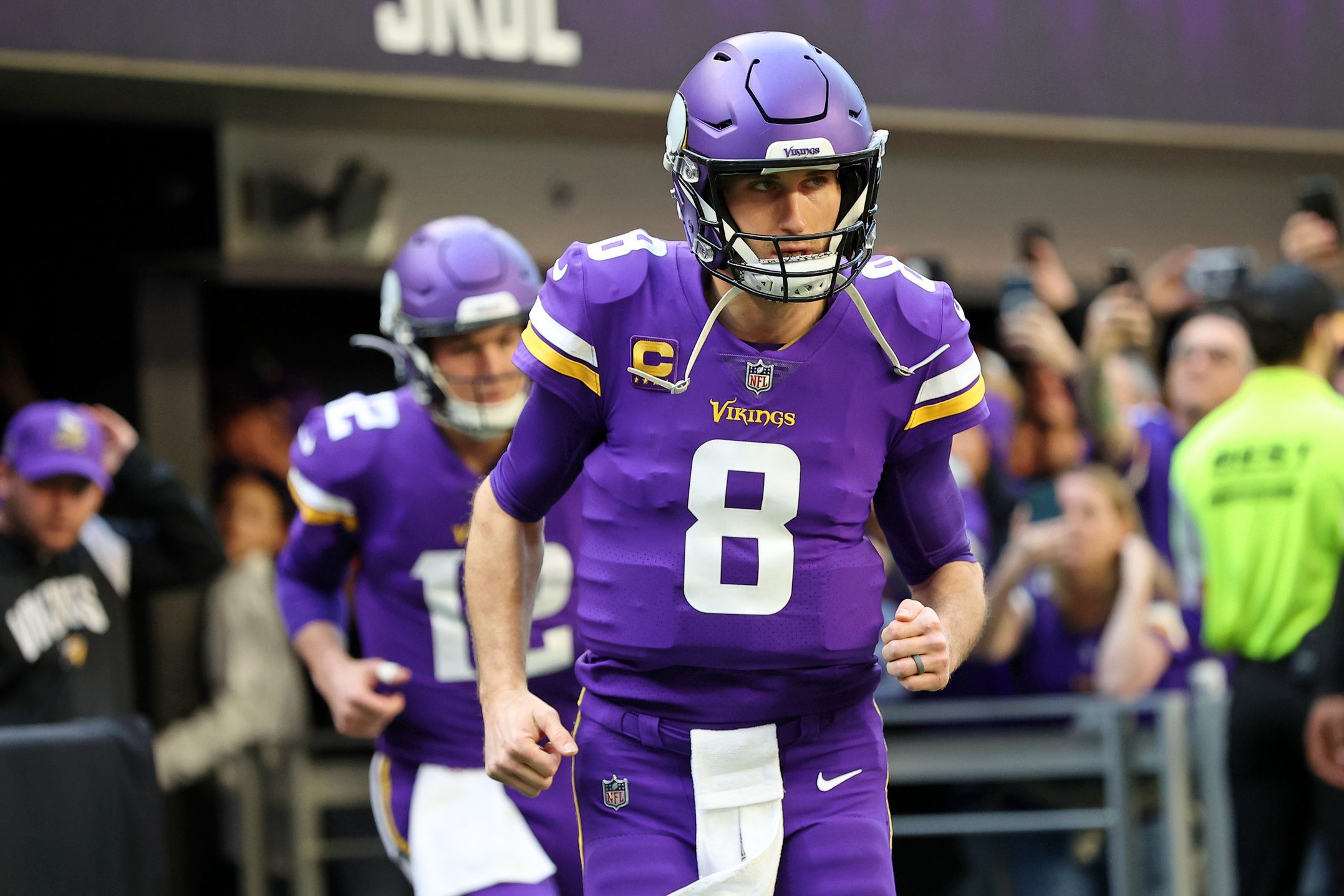
The deadline arrived and passed with a singular, arguably underwhelming move: the acquisition of Kirk Cousins for a third-round pick. While Cousins is familiar with head coach Kevin O’Connell’s complex offensive system, the trade felt insufficient to address the deeper issues plaguing the team. Many observers questioned whether a single quarterback could truly elevate an offense so demonstrably struggling to reach the end zone. The move, while intended to provide stability and familiarity, left many wondering if a more aggressive approach could have yielded greater results. The team’s current record of 6-2 post-deadline is a testament to the inherited nature of Teasley's role; he has yet to fully shape the roster through his own draft selections.
The Vikings’ struggles resonate deeply within the Minneapolis community. The team represents more than just a sports franchise; it’s a source of civic pride, a shared identity for residents, and a symbol of the American dream – the aspiration for success, stability, and a bright future. When the Vikings falter, it impacts the entire city. Businesses dependent on game-day revenue suffer, community gatherings lose their spark, and the collective mood is dampened. The consistent offensive struggles have eroded the optimism that once permeated the region, leaving fans yearning for a return to the days of consistent success and a team capable of competing for championships. The value of strong leadership and decisive action, particularly in times of adversity, is keenly felt by a community that has long embraced the Vikings as a source of inspiration.
The Vikings now face a challenging stretch of games, carrying the weight of unfulfilled expectations and the lingering question of what might have been. The acquisition of Kirk Cousins provides a degree of familiarity, but the team remains vulnerable – just one injury away from returning to the quarterback carousel that has plagued them throughout the season. The long-term implications of Teasley's limited influence remain to be seen. While he inherited a team in progress, the lack of significant additions at the deadline raises concerns about his ability to build a sustainable roster through the draft. The Wilf ownership group may now reflect on whether delaying the GM search ultimately hampered the team’s ability to capitalize on opportunities and address critical needs.
Watching the Vikings navigate this situation, it’s clear that stability and a long-term vision are paramount to any successful organization. The delay in hiring a General Manager, while perhaps intended to avoid disruption, ultimately created a scenario where critical decisions were made under pressure and with limited input from the person tasked with shaping the team’s future. The acquisition of Kirk Cousins, while understandable given the familiarity with the offensive system, feels like a band-aid on a deeper wound. It underscores the importance of having a GM in place who can identify and develop talent through the draft, building a foundation for sustained success. The situation also serves as a reminder of the vital role that strong leadership plays in fostering a culture of commitment and excellence – both on and off the field. For families and communities, that commitment translates to stability, purpose, and a shared sense of belonging. The Vikings’ current challenges, while frustrating, offer an opportunity to learn from past decisions and reaffirm the importance of prioritizing long-term vision over short-term gains.
Looking ahead, the focus should shift towards building through the draft, identifying young talent with the potential to grow into key contributors. It's a process that requires patience, discipline, and a clear understanding of what it takes to build a championship-caliber team. The Vikings have the potential to return to greatness, but it will require a renewed commitment to stability, vision, and a steadfast belief in the power of long-term planning. The hope remains that Nolan Teasley can ultimately fulfill the promise he represents, guiding the Vikings back to a place of prominence and restoring pride to the Minneapolis community.
Wyatt Wade, a Cameron, WI native and avid Vikings and Twins fan, writes for Zone Coverage. Follow him on X @wyattwade91. Zone Coverage is an independent sports news source. NFL.com provides comprehensive NFL coverage. For information on the Minnesota Vikings roster, visit Vikings.com.
By Katherine Langford

By Marcus Chen

By Marcus Chen
By Marcus Chen